
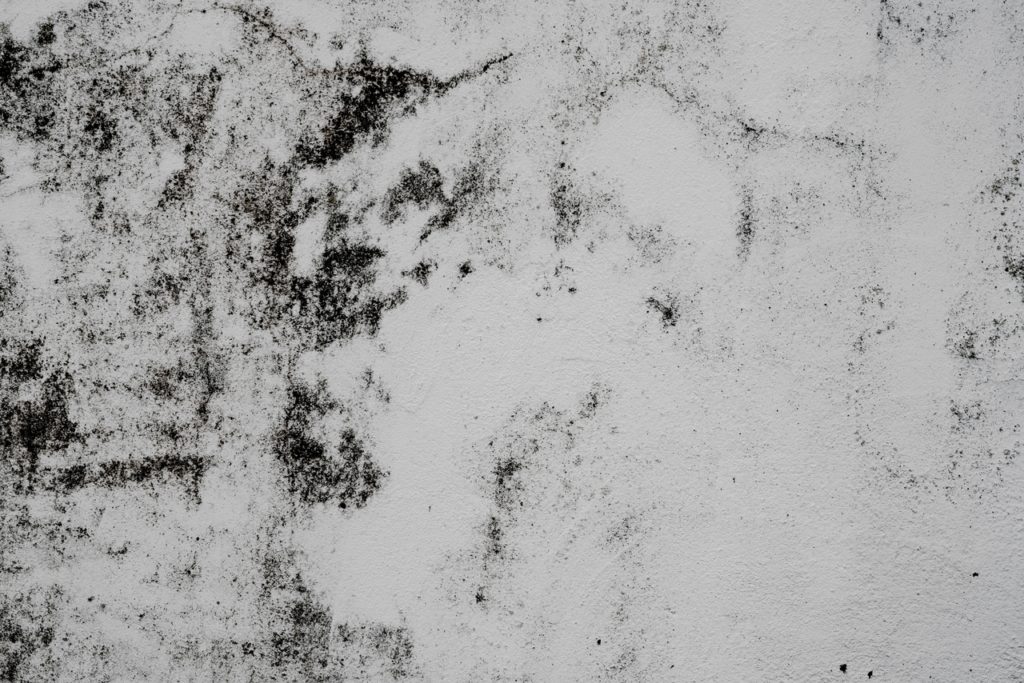
3 Reasons Colleges Need to Prevent Mold Growth

College and University campuses are not only where student receive classes, they are places where students live, work, and stay entertained.

The idea of a college campus not being a healthy environment due to poor maintenance is something that no one is thinking about. Of course, students, employees and students’ families assume college campuses will be safe and healthy environments.

However, ensuring this supposed fact of life is no easy task. There are several factors to consider, including different types of buildings (dormitory, classroom, recreation, cafeterias), the changing weather, temperature, and humidity throughout the seasons, and the movement of people between buildings.

Just like any other building, buildings on a college or university campus are vulnerable to mold.

However, there are some reasons why it is more important for colleges to prevent mold growth in their facilities than other types of buildings. Here are 4 reasons to consider:

Reasons Colleges Need to Prevent Mold Growth

  1. Students Sleep on the Premises

For at least the first years of college, it is common for students to sleep in dormitories on or near campus. This means that students are spending significant time in rooms that are the responsibility of the university to maintain.

If students discover mold growth in their dormitories or bathrooms, it could be a sign of poor air circulation, a leak, or water damage, among others. Not only can this affect the image of how well the university maintains its campus, it may also cause serious health issues in the students.

  1. Mold Exposure Can Make Students Sick

Children and adolescents who have been exposed to mold have problems with their respiratory tract, wheezing, allergies and even eczema.

Illness is not conducive to a proper learning environment. How can you finish your homework efficiently if you are sniffling and sneezing and smelling the musty smell of mold?

If students complain of the mold, the college or university would likely be obligated to update and clean up the mold as an emergency action. This can be a problem for yearly budgets and logistics, especially if several students must be moved while the cleanup occurs.

  1. It Looks Bad

Few will admit how important looks are for the impression of a college or university. Especially with the cost of university these days, if the university is stained with mold on the inside and outside of the building, it won’t take long for it to start affecting its reputation.

Needless to say, it is important for universities and colleges to prevent mold from growing inside and outside of buildings at all cost. Getting a professional mold detection and cleaning service, like Armor Environmental Solutions keep mold at bay all year round will be an investment with benefits beyond simply meeting standards.
Read More

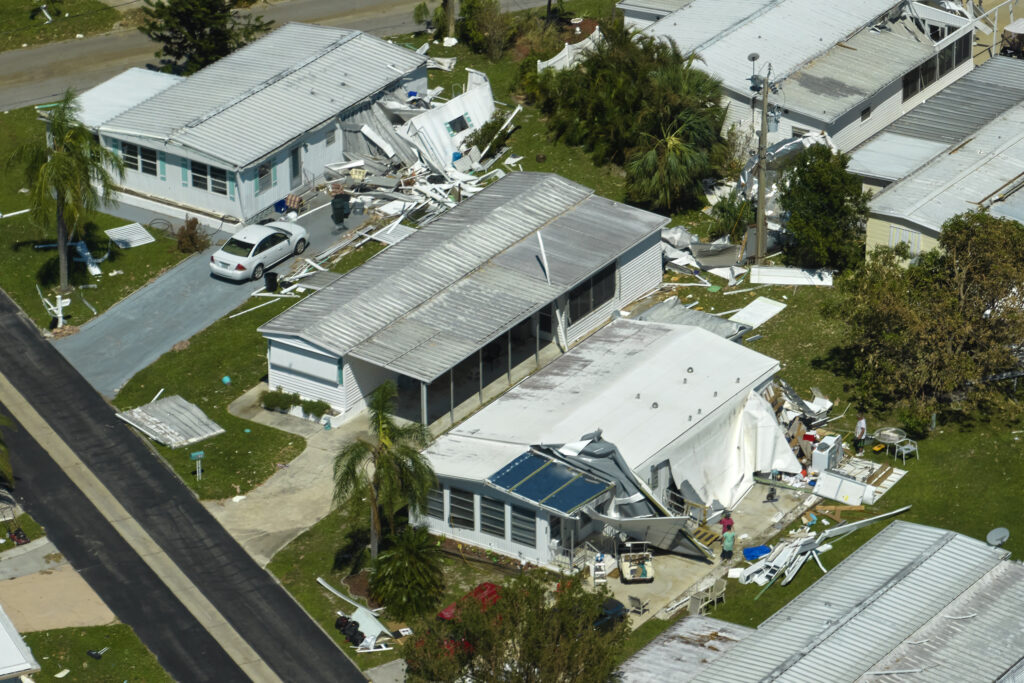
Most Common Post-Hurricane Damage


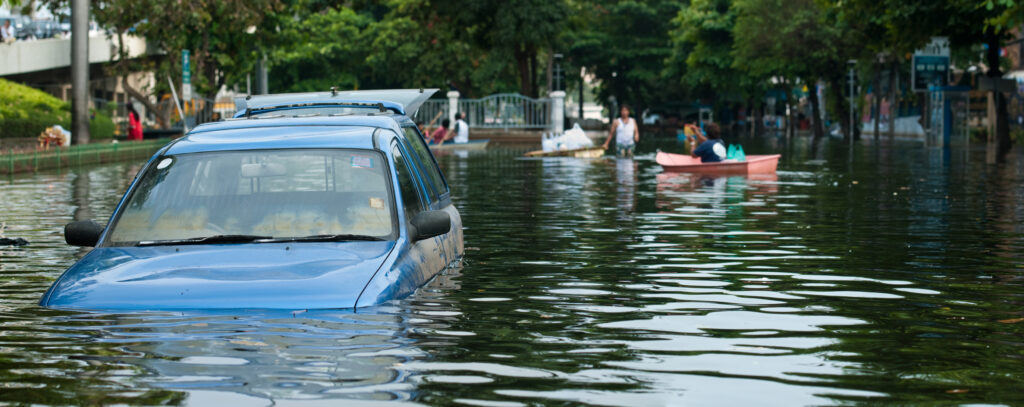
Once the hurricane passes, most people think they are in the clear. Even though the strong winds and major danger has passed, there are still several risks to your business you need to keep an eye out for.
Here are some of the most common issues that pop up after hurricanes.

⦁ Water damage

Even if flood water recedes quickly, water damage can become a big issue. Water can affect walls, flooring, roofing, and equipment, among others. Even if you aren’t in an area affected by flooding, water damage can be caused by leaks. After strong rains and winds, roofing can shift and water can begin to seep through. Humidity, moisture and stains need to be removed professionally, and Armor Environmental Solutions is ready to help.

0. Mold
Mold is a side effect of moisture, humidity, and water leakage that is not promptly removed. It can occur after a surface has had direct contact with water and is not in an area that easily dries out, or simply due to a very moist environment, as can occur during a hurricane or storm and in the days following. Mold is a hazard to the appearance of your business, but, most importantly, to the health of your employees. mold must be removed promptly by experienced hygienists, like the ones at Armor Environmental Solutions.

0. Infrastructure Damage

The damage of some infrastructure can only truly be felt after the storm is over and water has receded. This includes sewage damage, water services, public transportation, electricity and gas systems, and communications. If the infrastructure of your business was affected by the hurricane or storm, you can get in touch with Armor Environmental Solutions to help clean up the damage.
We can’t prevent hurricanes from coming our way, but we can act fast once damage has occurred to make sure it doesn’t make a big dent in our business income. Getting in touch with an environmental cleanup expert like Armor Environmental Solutions will help you get your business up and running in no time.

3.
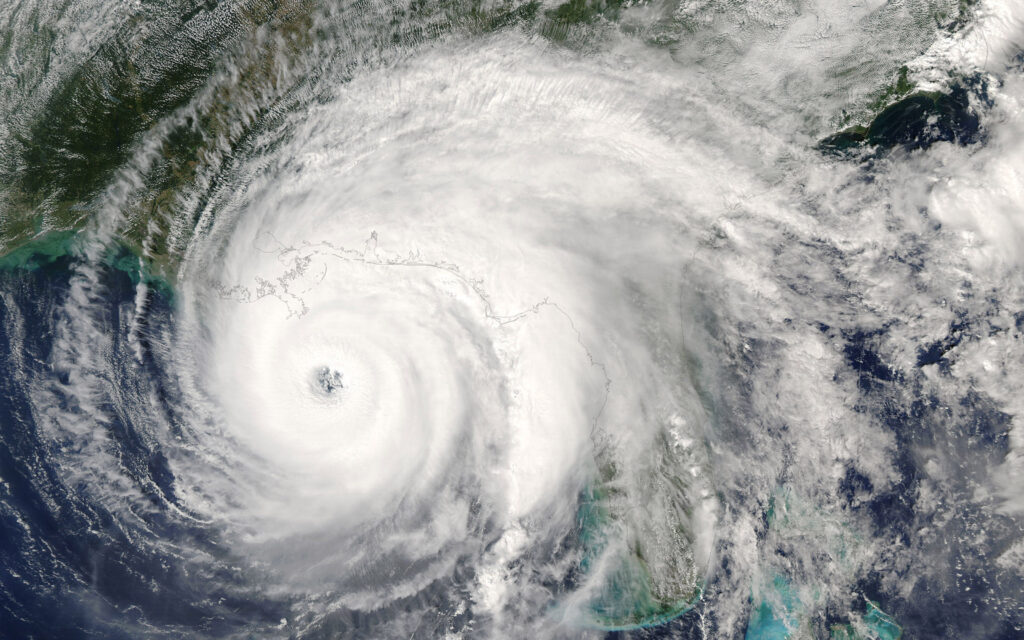
How Common Are Storms and Hurricanes in the US?
It seems that the US gets hit by a major hurricane or tropical storm almost every year.
Are hurricanes and tropical storms really that common in the US?
The Hurricane Research Division of the National Oceanic and Atmospheric Administration (NOAA) has recorded the number of named storms, hurricanes, and major hurricanes in the Atlantic Basin since 1851.
The average number of hurricanes and storms per year in the Atlantic Basin, taking data from over the past 50 years, is as follows:*

⦁ 12 named storms
⦁ 6.3 hurricanes
⦁ 2.5 major hurricanes

Note that these are the average numbers of storms and hurricanes that develop in the Atlantic Basin, but not all make landfall in the US.
On average, the number of storms and hurricanes that make landfall in the US per year are:*

⦁ 1.7 hurricanes
⦁ 0.6 major hurricanes
The maximum number of hurricanes to ever hit the US in one year is a whopping 6 hurricanes and 4 major hurricanes.
In other words, data shows that the US will be hit by at least one hurricane per year.
Don’t let the next storm or hurricane catch you off guard. Call Armor Environmental Solutions to ask how we can help you be better prepared should your business be affected by a natural disaster.

4.
What Does the Category of a Hurricane Mean?
As you watched the news report about the changing strength of Hurricane Dorian and Hurricane Humberto, did you wonder what it meant for each of these storms to be categorized as category 1, 2, or even 5 hurricanes?
From the natural disaster cleanup and restoration experts, Armor Environmental Solutions, here is your quick guide to deciphering hurricane categories.
First thing to know: hurricane categories are based on what is called the Saffir-Simpson Hurricane Wind Scale. It is a scale that categorizes hurricanes from 1 to 5 based on hurricane wind speed.
The higher the category, the greater the wind speed.

Here is your quick guide to understanding hurricane categories:
⦁ Category 1: 74-95 mph. Very dangerous winds will produce some damage.
⦁ Category 2: 96-110 mph. Extremely dangerous winds will cause extensive damage.
⦁ Category 3: 111-129 mph. Devastating damage will occur.
⦁ Category 4: 130-156 mph. Catastrophic damage will occur.
⦁ Category 5: 157 mph or higher. Catastrophic damage will occur.
Armor Environmental Solutions is a team of experts equipped especially to clean up damage caused by hurricanes of all categories, and other damage caused by natural disasters.

Read More

Recap: What Hurricane Dorian Did…

Hurricane Dorian has come and gone – but not without having made hurricane history.
With so many updates as the US and Caribbean followed Hurricane Dorian’s every move, it’s hard to wrap your head around what damage it caused.
To help you wrap your head around what Hurricane Dorian did to our world in the 18 days of its existence, below we have a recap of the astounding effects of Hurricane Dorian.
⦁ Formed on August 24, and dissipated on September 10, 2019.
⦁ Areas affected: Lesser Antilles, Puerto Rico, The Bahamas, the East Coast of the United States, Eastern Canada, and Southern Greenland.
⦁ The highest recorded wind speed was 185 miles per hour, and it was sustained for 1 minute.
⦁ The most powerful tropical cyclone on record to strike the Bahamas and is considered the worst natural disaster in the country’s history.
⦁ At least 70,000 left homeless in the Bahamas
⦁ Fatalities: 55 direct, 6 indirect
⦁ Damage in USD: $7.5 billion
Without a doubt, Hurricane Dorian is one to go down in history – and not in a good way. In the US, it damaged countless homes and businesses and some areas saw the worst flooding they have ever seen.
We cannot prevent hurricanes from occurring, but we can prepare our businesses to prevent damage and act fast to rebuild and repair, once the damage has occurred.

Read More

How to Prevent Water Damage in Your Business

Water damage is no small deal. Not only can it cause an unexpected leak in your budget, but it can also lead to even more devastating problems if not dealt with swiftly.

Water damage doesn’t necessarily only take place due to floods. Pipe or roof leaks are much more common causes of water damage in both home and commercial properties. What can you do to prevent water damage in your commercial space? Here are 5 tips you put into practice in your business today.

  1. Inspect gutters and drains

Clogged gutters and drains can cause backup and stagnant waters that can slowly make their ways through roofs and floors. Inspecting them regularly and cleaning them out will keep water flowing to where it needs to go – over, around and out of your building.

  1. Keep your business warm

Temperatures should never reach below 50 degrees in your business, even when spaces are not in use or it is closed for the weekend. Freezing temperatures can cause pipes to burst. Remember that this is also an issue when nighttime and daytime temperatures vary, so make sure to keep your thermostat updated and well-maintained.

  1. Insulate outdoor pipes

Pipes that are not in areas where the temperatures are controlled are vulnerable to variations in environment. When temperatures get low, this means that the water in pipes and freeze, and they could potentially burst. Keeping them insulated will reduce the risk of this occurring.

  1. Seal cracks and gaps

Have an inspector identify potential problem areas – small cracks and gaps in the walls, floors and roof can open a space for water to come in.

  1. Find where the shut-off valve is

If a pipe bursts or leaks, you are going to want to shut off the water as soon as possible in order to avoid flooding and significant water damage. If a pipe breaks, the last thing you want to do is wait for a professional to arrive before turning off the water.

These five tips will help to prevent water-related emergencies from occurring, and will allow you to act quickly if a leak or pipe burst does occur.

Read More

4 Tips for Business Owners Facing Fire Damage

Has your business been affected by a fire or smoke damage? After the initial shock of the occurrence and acting fast to address emergencies, it is time to do the work to get your business up and running again.

Here are 4 tips for business owners who are facing fire damage.

  1. Check your insurance policy

The first thing to do once the dust has settled a bit is to check your insurance policy. Does your insurance cover equipment damage? Damage to walls and floors? Damage to personal property on the premises? Review your insurance contract before contacting the company so that you are prepared with the knowledge of what is covered and are able to prepare any questions you may have.

  1. File Your Claim

Once you have the details ironed out regarding your insurance, file your claim immediately. You will likely have to itemize your losses and list the value of each. Make sure to take pictures of the damaged property as is and keep any receipts you have available that show the original value of the equipment.

  1. Secure your property

Even after the event occurs, damage can continue to get worse. For example, if a fire occurs in the wintertime, and it exposes part of the commercial property to the climate, the freezing weather can cause pipes to burst, or areas to leak. As a property owner, it is essential that you minimize further damage. You can talk to experts about how to minimize further damage after an even occurs.

  1. Contact a professional service ASAP

Once you get the green light from your insurance company, it is essential that you contract a professional cleanup and remediation service immediately. Remember that if the damage likely occurred on many properties beyond yours, as is the case for natural disasters, cleanup services may be booked up. If the company offers it, consider signing an agreement with a cleanup service, like Armor Environmental Solutions, to prioritize you as a company in the case of an environmental emergency.

No matter how prepared you are for environmental damage to take place, it always comes as a shock and it can cause significant stress on the business due to the property damage, and certainly any potential damage to the health and wellbeing of employees and customers, that may have taken place.

Read More

The Difference Between Residential and Commercial Cleanup Services

When our home or business experiences damage due to environmental forces, you will likely turn to Google to help you find a service that will act fast and help you repair it.

If you have Googled fire and smoke damage remediation, flood repairs or something similar, it is likely that a mix of businesses that offer home and commercial cleanup come up on the first page. The competences needed for each type of job, which is why it is important to contract the right service.

The differences between commercial and home cleanup services are many. Here we mention a few:

  1. The size of the job: The square footage of damage that takes place in a home is often smaller than that which takes place in a commercial setting. Cleanup companies need to be prepared with right equipment and number personnel to address the issues in a timely manner.
  2. Specialized spaces: Commercial business often has specialized rooms or areas that need to be treated with special care. A food packaging facility, for example, needs to be treated with meticulous care, and some substances may not be allowed to be used in the cleanup process in order to allow for a healthy, fully-restored space.
  3. Specialized appliances and equipment: Homes tend to have pretty standard appliances and equipment. These, rather than being restored, are often covered by home insurance for replacement in case of loss. In the case of commercial businesses, the removal and potential restoration of the equipment must be handled with care and know-how.
  4. Differing ventilation systems: The ventilation systems in homes and commercial businesses vary significantly. Often, ventilation systems of homes are lacking altogether. As a result, the care with which ventilation systems are cleaned and restored is essential so that the air quality isn’t affected in the aftermath of environmental damage or disasters.

For these reasons and more, it is very important that you contact a service that is specialized in either home or commercial business cleanup and restoration. There are a few businesses that are able to do both, but even so, make sure to ask the right questions to ensure that the company is equipped to do the job at hand.

Read More

The Quiet Dangers of Mold

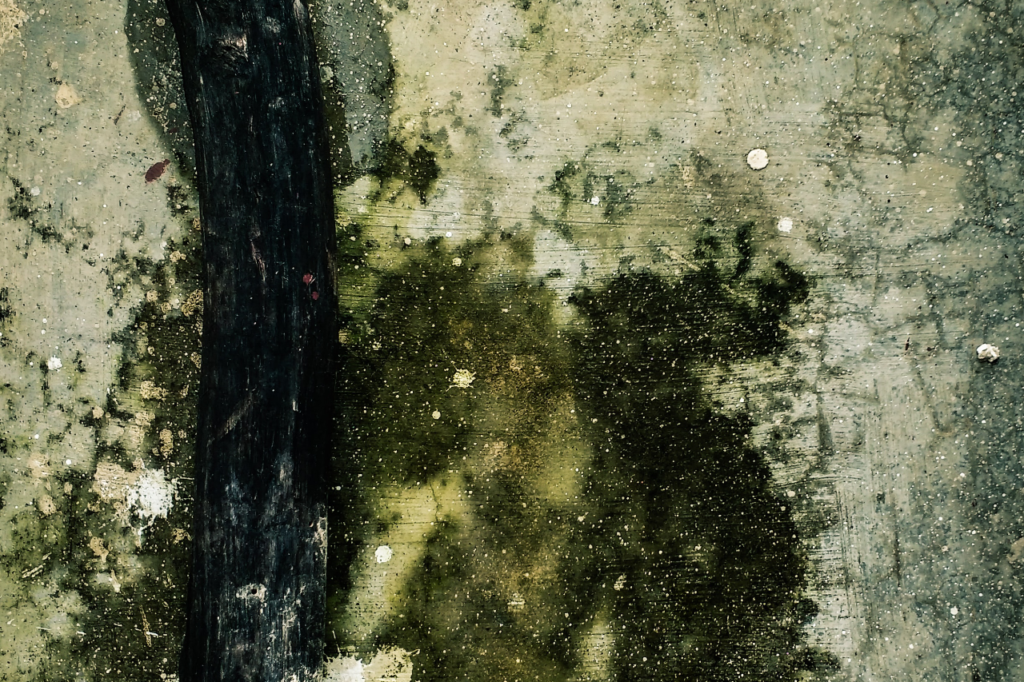
Mold, unlike other environmental forces that can affect your property, lurks quietly and slowly in the corners of rooms and offices in your place of business. It often goes unnoticed at first, only to make itself known when corners are completely covered in green and black splotches, or when an inspector calls it to your attention. 

Even though it is unsightly, the ugliness of mold is usually the least of your problems. Some types of mold, unfortunately, can be a health hazard for people working in and circulating through your business. 

Some types of mold are more severe than others, but, ultimately, it is the same environment that helps mold thrive that can also pose a health danger for you employees and customers. Ultimately, mold is considered to negatively impact air quality and thus contribute to indoor air pollution. 

The CDC and the Institute of Medicine state that indoor exposure to mold is linked to:

  • upper respiratory tract symptoms, cough, and wheeze in otherwise healthy people
  • with asthma symptoms in people with asthma
  • development of asthma, especially in young children
  • hypersensitivity pneumonitis in individuals susceptible to that immune-mediated condition
  • respiratory illness in otherwise healthy children

For all of these reasons, it is important to have professionals remove mold immediately after it is detected, and then it is important to adopt measures to prevent the resurgence of mold in the same space and in new spaces. 

Armor Environmental Solutions is fully equipped to help remove mold in your business and provide you with the know-how for controlling mold in commercial settings. There are also measures you can take to prevent the development of mold and moisture damage due to mold, including improving ventilation and controlling sources of indoor moisture. 

Read More

Summer Layups for Mold Removal and to Prevent Mold Growth in Schools

The air quality of schools is of utmost importance to the wellbeing of students and school staff. One of the most common risks to the air quality of schools is mold growth. Mold growth and humidity can cause asthma attacks and allergies, on the most basic levels, but it can also permanently damage respiratory and cardiovascular systems.

Mold in environments can contribute to asthma attacks and allergies, and schools have a responsibility to mitigate these issues.

Early detection of mold growth risk and of signs of mold early on can help the school save hundreds of thousands of dollars. While, with a limited budget, it can be difficult to cover the costs related to mold and humidity mitigation, acting early can not only save money for the school, but it also helps to promote optimal school environments for students and staff wellbeing.

Layups are actions that schools can take to help mitigate serious hazards.

Schools can implement layups during the summer to prevent mold growth in schools for the rest of the year. Some of the most effective summer layups include:

  1. Humidity control: The EPA recommends maintaining relative humidity between 30-50% or 60% maximum. Ventilation, temperature control, and combines help to maintain proper humidity and prevent mold growth.
  2. HVAC maintenance: An HVAC is a system that is used to move air between indoor and outdoor spaces. The summer months are a good time to program HVAC maintenance, remove mold, humidity, dust, and dirt from the systems, as well as anything that may be blocking vents.

Monitor humidity-generating projects: Steaming, carpet cleaning, floor waxing, and deep cleaning are important for school maintenance, but they can generate additional moisture. During the summer, it is important to monitor the impact of these projects, but also review policies and procedures that will help reduce lingering humidity and prevent mold growth.

Read More

Water Damage Risk: 3 Water Problems Building Owners Cannot Afford to Ignore

Like most structural-related issues, leaving them be can result in the slow deterioration of infrastructure, leading to an unexpected disaster. The early detection of water damage risk and subsequent mitigation can result in saving your business thousands, or even hundreds of thousands, in damage cleanup and repair.

Below are three water problems property and building owners cannot afford to ignore.


  • A Clogged Toilet


This seemingly simple plumbing issue might seem harmless, though unpleasant. However, it is important to determine the reason for the toilet back up. In settings where the bathrooms are public, a backup may be caused by a foreign object (likely one that was flushed down by a user) blocking water flow. If not repaired, it may result in broken or leaky pipes that effect, not only the one toilet but the whole water circulation system.


  • A Leaky Pipe


Leaky pipes may begin small, but as they gradually develop, they will become a water damage risk. Some of the damage a leaky pipe can cause are water stains, mold and mildew, and a change in the texture of walls and ceiling.


  • A Broken Pipe


While emergency fixes are important to have on hand, they do not equate to repairs. If you react quickly, you can reduce your water damage risk and likely save significant money. Talk to your plumber about repairing pipes rather than replacing them.

When it comes to assessing your business’ water damage risk and reacting to water damage-related emergencies, you may want to consider calling a professional. Professional assistance can help you determine the best steps to take after detecting the three issues above to decide on the best course of action.

Read More

Business Weather-Related Damage: What Property Managers Need to Know

When it comes to natural disasters and heavy weather, property managers are responsible for several elements related to the wellbeing of their tenants. Legally, property managers are required to help their tenants stay safe during and after catastrophes. At the same time, they have to deal with the repercussions and next steps for responding to weather-related damage on their property.

Property managers have a key role in helping their tenants stay safe by determining if the property can be lived in (if it is a home) or if the business can continue to function. After weather-related damage, if it is not safe for tenants to remain on the premises, they must implement a recovery and cleanup plan to help them return to normal.

Here are some things to consider regarding the role of property managers in the prevention and aftermath of weather-related damage.

  1. Assess the risk of the property: Determine how vulnerable the area where the property is located is to different natural disasters that could result in weather-related damage
  2. Plan ahead: In addition to considering purchasing insurance, design a Disaster Recovery Plan (DRP)
  3. Assist in recovery: Help to ensure the safety of your tenants before assessing weather-related damage to the property. Be aware of local protocols and procedures after a natural disaster.
  4. Implement a communication plan: Include back-up forms of communication with tenants, insurance companies, and emergency response professionals.

Natural disasters can result in weather-related damage that put tenants’ safety at risk and can affect your ability to recover the property as swiftly as possible. Being aware of the role of a property manager in the case of a weather-related disaster and preparing to act can help keep tenants safe and help the property regain full function.

Read More